


Tahoe vs. Suburban Length: Does Size Matter?
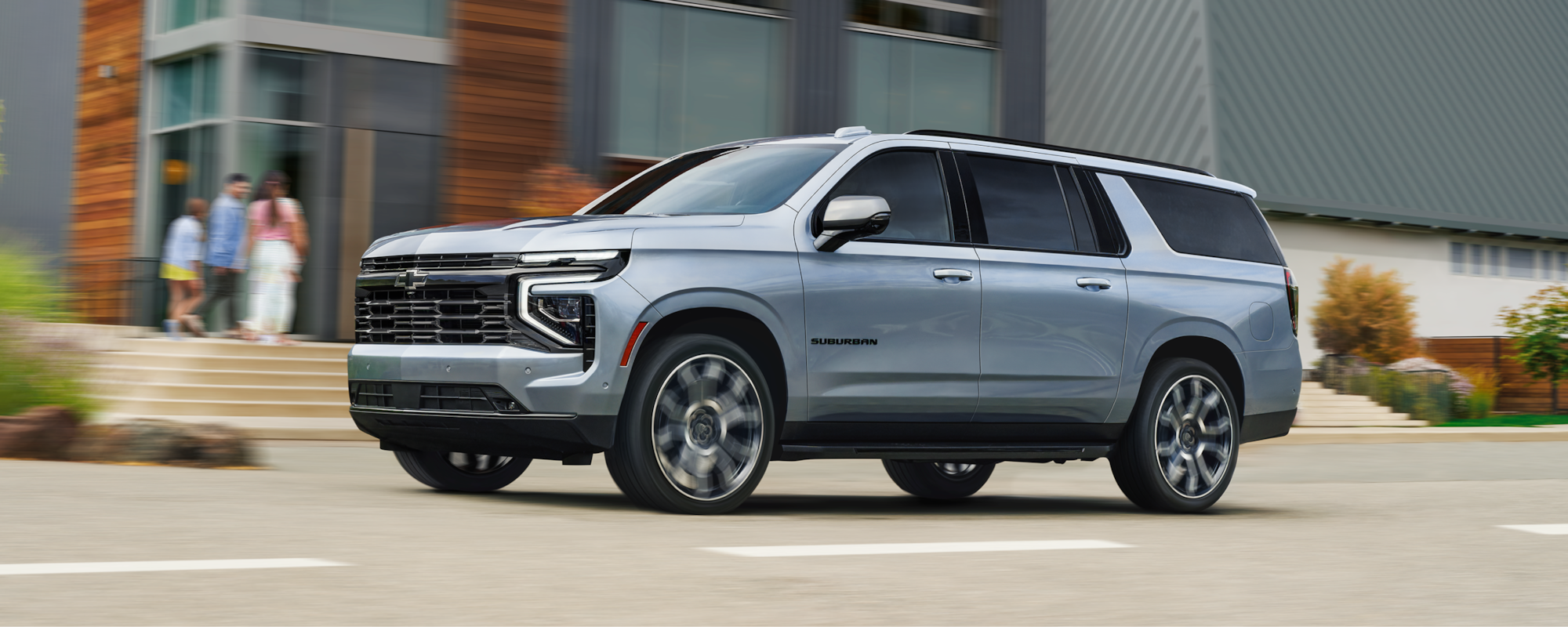
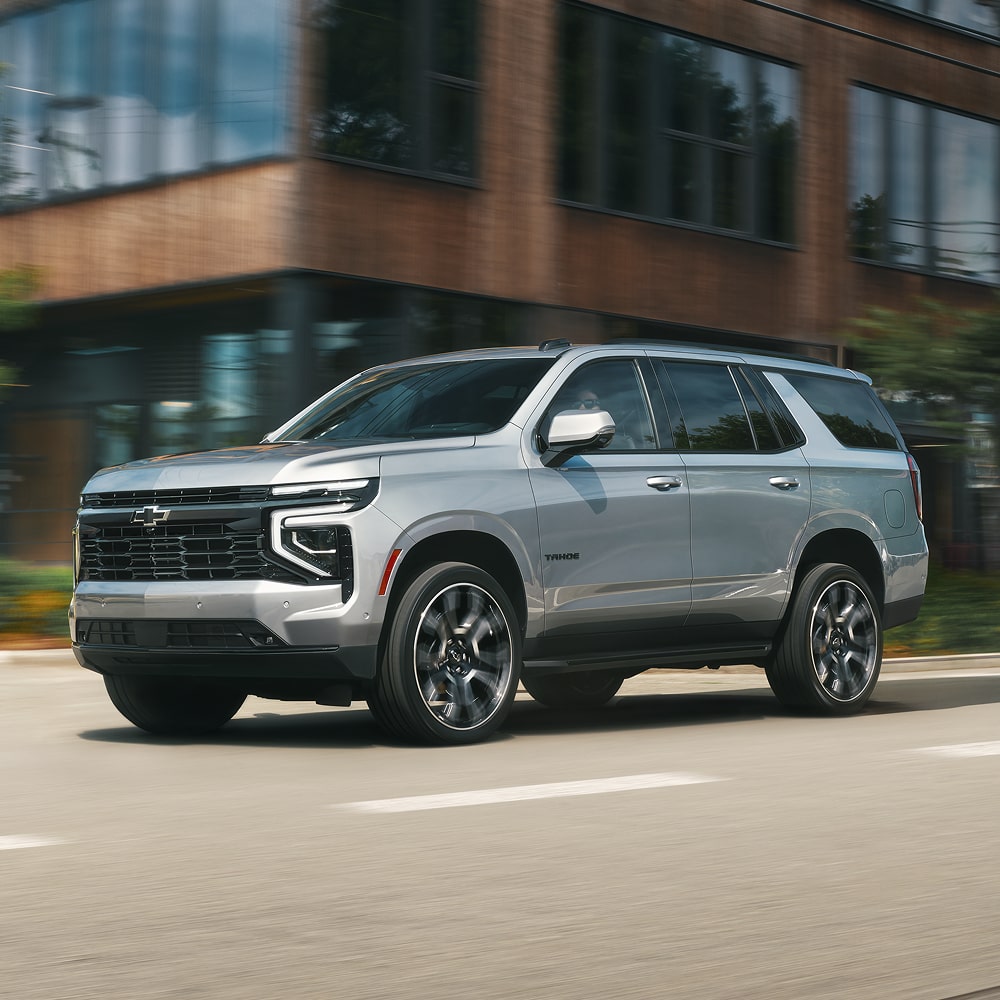
Photo Source/Copyright: Chevrolet
Buyers comparing Tahoe vs. Suburban length are looking at the one specification that truly separates these two full-size SUVs. The Chevrolet Suburban is 15 inches longer than the Chevrolet Tahoe, and that gap drives nearly every practical difference between them. Everything else is shared. Both ride on the same platform, offer the same three engines, and climb the same six-trim ladder. Length is the variable that decides which one belongs in your driveway.
Tahoe vs. Suburban Length: The Exact Numbers
The two SUVs measure 211.3 inches and 226.3 inches from bumper to bumper, an even 15-inch spread. That difference sits almost entirely behind the rear axle, which is why the front two rows feel identical from the driver’s seat.
The wheelbase tells the same story. Stretching the distance between the axles by 13.2 inches creates the extra room and explains why the longer SUV tracks so steadily at highway speed. Neither number changes from one trim to the next.
- Tahoe overall length → 211.3 inches
- Suburban overall length → 226.3 inches
- Difference → 15.0 inches
- Wheelbase gap → 13.2 inches (120.9 vs. 134.1 inches)
Length and Wheelbase at a Glance
The first two rows are dimensionally identical between the two, so every meaningful difference lands behind the second row. Width is the same: both measure 93.6 inches, including the mirrors. The table below isolates the four numbers that actually change.
| Specification | Tahoe | Suburban |
|---|---|---|
| Overall length | 211.3 in. | 226.3 in. |
| Wheelbase | 120.9 in. | 134.1 in. |
| Cargo behind the third row | 25.5 cu. ft. | 41.5 cu. ft. |
| Max cargo volume | 122.7 cu. ft. | 144.5 cu. ft. |
What the Extra Length Adds Inside
Third-row passengers feel it first. The longer SUV provides 36.7 inches of third-row legroom against 34.9 inches, a 1.8-inch gain that turns the back bench from occasional-use seating into a place adults can ride comfortably on a long drive.
Cargo is where the gap widens. Behind a raised third row, the longer SUV offers 41.5 cubic feet, compared with 25.5 cubic feet; 16 additional cubic feet, exactly where families run out of space first. Fold everything flat, and the maximum climbs to 144.5 cubic feet versus 122.7, a difference of 21.8 cubic feet. That last figure is the largest maximum cargo volume Chevrolet offers in an SUV.
Where the Shorter Body Has the Advantage
The Tahoe vs. Suburban length comparison flips in the shorter SUV’s favor the moment you leave the highway. Both are 93.6 inches wide with the mirrors out, so the entire difference is fore-and-aft, and fore-and-aft is exactly what a parking stall, a garage bay, and a school pickup line measure.
Fifteen inches is roughly the difference between a vehicle that clears a standard garage door with room to spare and one that asks you to measure first. The shorter wheelbase helps here, too.
- Fits a standard garage bay with more clearance
- Easier to place in a single parking stall
- Tighter turning circle in lots and cul-de-sacs
- Shorter overhang when backing to a loading point
Matching Length to How You Load Up
The decision comes down to one question: when the third row is occupied, does the cargo area still have a role? If the answer is yes, such as luggage for everyone, gear for the weekend, groceries after practice, the extra length earns its keep.
If the third row goes up only occasionally, the shorter SUV offers full-size capability in a footprint that’s easier to live with every day.
Tahoe and Suburban Length FAQs
Q: How much longer is the Suburban than the Tahoe?
A: Exactly 15 inches. The Suburban measures 226.3 inches overall, and the Tahoe measures 211.3 inches. Both are assembled at the same plant on the same platform.
Q: Do the Tahoe and Suburban share the same wheelbase?
A: No. Any Tahoe vs. Suburban length discussion has to account for the wheelbase, which stretches from 120.9 inches to 134.1 inches, a 13.2-inch difference that accounts for most of the added body length.
Q: Does the extra length increase towing capacity?
A: No. When properly equipped, the Tahoe is rated to tow up to 8,400 pounds and the Suburban up to 8,200 pounds. The shorter SUV’s lower curb weight gives it an advantage.
Compare Both in Person
Numbers only go so far. Park them side by side, sit in the third row of each, and load in the gear you actually haul. Our team can set up a back-to-back look at the Chevrolet Tahoe and Chevrolet Suburban. Browse our current inventory or stop in for a test drive.
More From Miami Lakes Chevrolet
Why Choose The Chevy Silverado Crew Cab?
Photo Source/Copyright: Chevrolet Three cabs, one truck, and a decision that sticks with you for the length of your loan. The Regular Cab is a classic three-across proposition. The Double Cab splits the difference with rear-hinged half-doors. Then there’s the four-door setup, which is what most shoppers walk in asking about, and, usually, what…
Why Choose a Small Chevy SUV Now?
Photo Source/Copyright: Chevrolet Small doesn’t have to mean stripped down. Chevrolet makes that exact case twice with two subcompact crossovers anchoring the bottom of its SUV lineup. They sit right next to each other on dealership lots and are close in overall dimensions, yet they appeal to distinctly different driving styles and daily…
2025 vs. 2026 Chevy Equinox: Top Key Differences
Photo Source/Copyright: Chevrolet Pressroom / Chevrolet When car shoppers walk onto our showroom floor asking about the latest Chevy Equinox, one question comes up more than any other: “Should I buy a 2025 or wait for a 2026?” The honest answer usually catches people off guard. Chevrolet completely redesigned the Equinox for the…