


Why Choose a Small Chevy SUV Now?
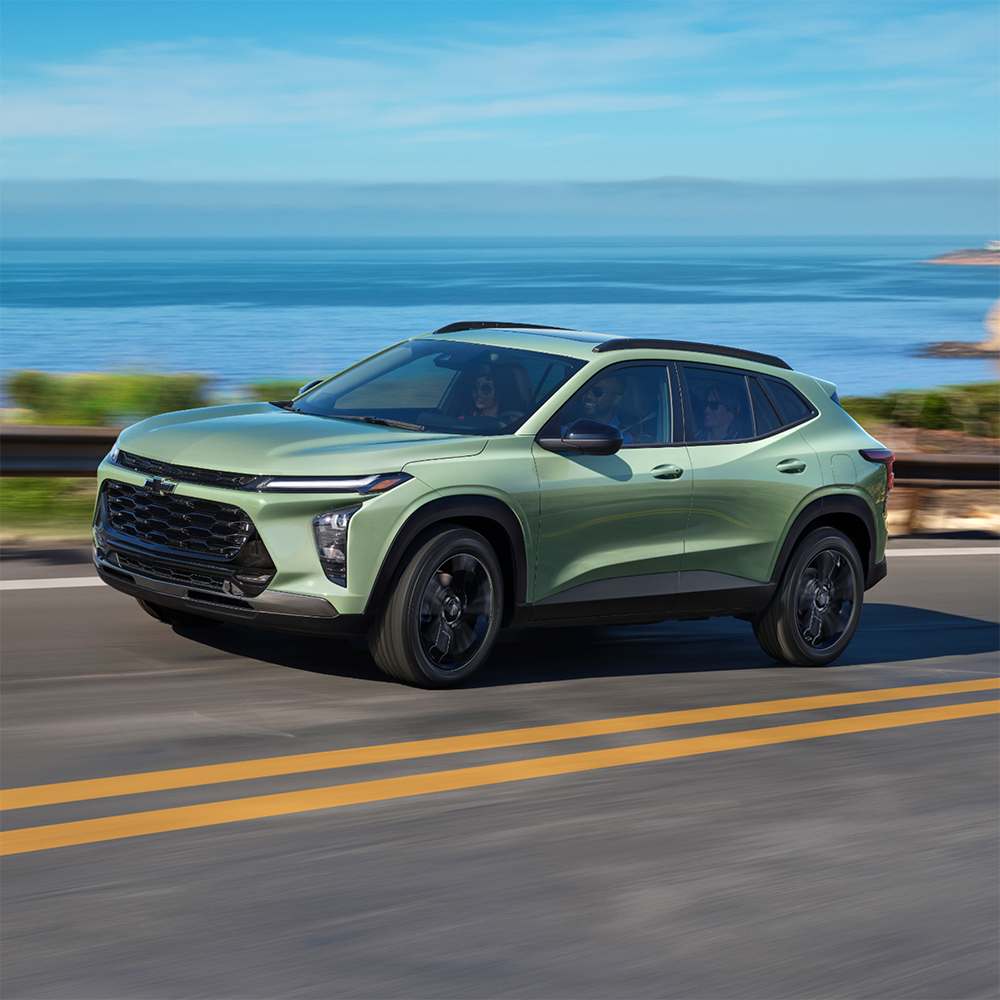
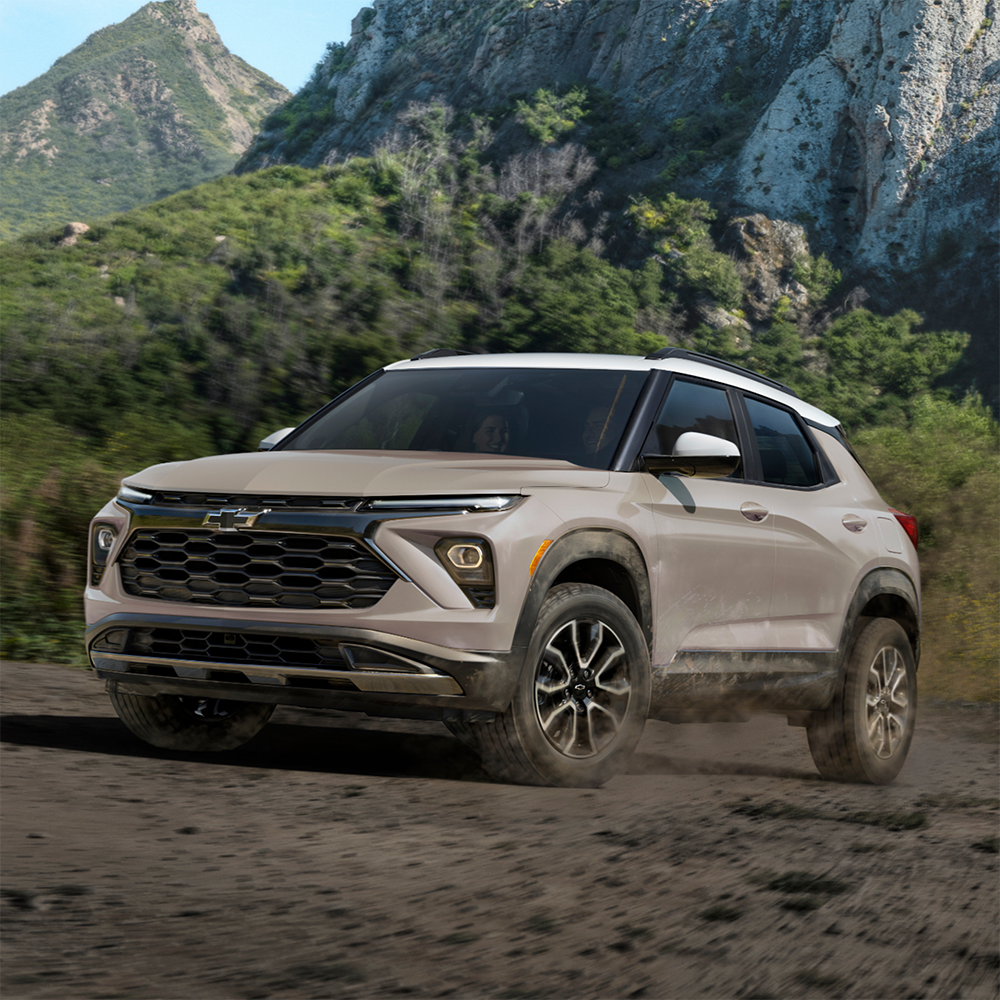
Photo Source/Copyright: Chevrolet
Small doesn’t have to mean stripped down. Chevrolet makes that exact case twice with two subcompact crossovers anchoring the bottom of its SUV lineup. They sit right next to each other on dealership lots and are close in overall dimensions, yet they appeal to distinctly different driving styles and daily needs. Neither model feels like a compromise vehicle, regardless of what traditional segment stereotypes suggest. One leans heavily into cabin room and everyday efficiency, while the other delivers foul-weather traction and interior flexibility.
Chevy Trax: Small Footprint, Surprising Room
Park a Trax next to almost anything else wearing a subcompact badge, and the cargo specs defy expectations. Measuring 178.6 inches from nose to tail, it sits slightly longer than typical entry-level crossovers. That additional exterior length creates real utility inside: you get 25.6 cubic feet of cargo volume behind the rear seat, which expands to 54.1 cubic feet with the 60/40 split bench folded flat.
Under the hood, an EcoTec 1.2-liter turbocharged three-cylinder engine generates 137 horsepower and 162 pound-feet of torque. While 137 horsepower reads modest on paper, peak torque arrives early in the rev range, giving the Trax quick, responsive acceleration in heavy traffic. Chevrolet also kept a conventional six-speed automatic transmission here rather than a Continuously Variable Transmission (CVT).
To keep the window sticker low and fuel efficiency high, 28 miles per gallon (MPG) city and 32 MPG highway, the Trax runs exclusively on a front-wheel-drive platform. Entry pricing sits at $21,700 MSRP (excluding destination fee). Every trim level, from the base LS up to the ACTIV, features seating for five, standard Chevy Safety Assist, and available options like wireless phone charging and Wi-Fi hotspot capability.
Chevy Trailblazer: All-Weather Grip and Utility
The Trailblazer is actually the shorter of the two vehicles at roughly 174 inches, yet it’s the model you want when winter weather hits or gear needs hauling. It offers available all-wheel drive paired with a stronger 1.3-liter turbo engine, good for 155 horsepower and 174 pound-feet of torque, and a smooth nine-speed automatic transmission. The LS trim opens at $23,300 MSRP (excluding destination fee). Front-wheel-drive configurations feature a CVT and achieve an EPA-estimated 31 MPG combined.
Maximum cargo volume reaches 54.4 cubic feet. The Trailblazer’s standout cabin feature is a fold-flat front passenger seat that swallows items up to 8.5 feet long, easily accommodating skis, kayaks, or lumber with the tailgate closed.
Tech and style are also major selling points: every trim comes standard with an 11-inch diagonal HD color touchscreen running wireless Apple CarPlay and Android Auto. Buyers can choose from 11 exterior paint colors, including sharp two-tone roof combinations, along with available upgrades like a dual-pane panoramic power sunroof and Bose premium audio.
Choosing the Right Chevy SUV
Deciding between these two subcompacts comes down to a few clear priorities:
- All-Wheel Drive Needs: If winter snow or gravel roads demand four-wheel traction, choose the Trailblazer; the Trax is strictly front-wheel drive across all five trims.
- Cargo Requirements: If you routinely haul long items like lumber, the Trailblazer’s 8.5-foot fold-flat front seat handles the load. For standard luggage or strollers, the Trax offers slightly more space behind the second row.
- Commute and Pricing: Drivers logging heavy highway miles who want maximum space per dollar usually gravitate to the Trax due to its lower starting price point.
Both crossovers accommodate a family of four with five seatbelts and comprehensive standard safety gear. Twenty minutes driving them back-to-back will quickly show which character fits your daily routine.
More From Miami Lakes Chevrolet
Why Choose The Chevy Silverado Crew Cab?
Photo Source/Copyright: Chevrolet Three cabs, one truck, and a decision that sticks with you for the length of your loan. The Regular Cab is a classic three-across proposition. The Double Cab splits the difference with rear-hinged half-doors. Then there’s the four-door setup, which is what most shoppers walk in asking about, and, usually, what…
2025 vs. 2026 Chevy Equinox: Top Key Differences
Photo Source/Copyright: Chevrolet Pressroom / Chevrolet When car shoppers walk onto our showroom floor asking about the latest Chevy Equinox, one question comes up more than any other: “Should I buy a 2025 or wait for a 2026?” The honest answer usually catches people off guard. Chevrolet completely redesigned the Equinox for the…
Tahoe vs. Suburban Length: Does Size Matter?
Photo Source/Copyright: Chevrolet Buyers comparing Tahoe vs. Suburban length are looking at the one specification that truly separates these two full-size SUVs. The Chevrolet Suburban is 15 inches longer than the Chevrolet Tahoe, and that gap drives nearly every practical difference between them. Everything else is shared. Both ride on the same platform,…